
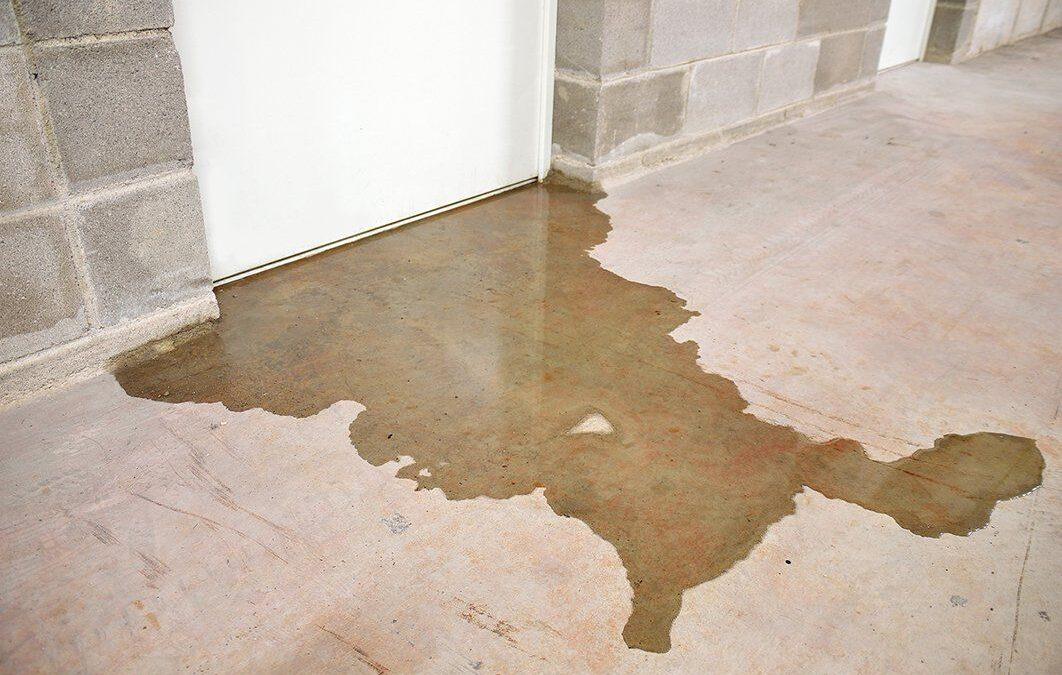
Many of us will unfortunately be faced with a damp problem at some point in our lives. It’s a common complaint for homeowners and renters alike, particularly in the UK. Damp can have all sorts of causes and consequences, and can even pose a threat to your health if left unchecked. For this reason, and many others, it needs to be dealt with quickly and effectively.
Being in the know will make diagnosing and treating damp far easier. This brief guide from Leak Tracers Direct is here to tell you everything you need to know about what causes damp, so you can make sure your home remains warm, cosy, and welcoming.
Condensation
Condensation is one of the most common causes of damp, particularly during autumn and winter. This occurs when warm, moist air - for example, from cooking or washing - reacts with a cold surface, such as a wall. Condensation then sits on the internal wall’s surface and creates damp patches. Poor ventilation and a lack of adequate heating can exacerbate the problem.
Moisture can also gather in hidden spaces like wall, floor, or roof cavities, which can result in structural damage and mould.
Construction moisture
The materials used in building work - such as concrete or plaster - can retain a lot of moisture and take a long time to dry out. For this reason, newly built homes or houses that have just undergone construction work can develop damp problems.
Penetrating damp
Penetrating damp is one of the main causes of damp and is caused by water entering a property through walls, floors, and ceilings. There’s a fair chance that this type of damp will cause external damage, for example to guttering and rendering, and might even have structural consequences.
Common causes of penetrating damp include leaking walls, air gaps, burst gutters and pipes, porous bricks, incorrect plumbing installation, cavity wall problems, and poor cavity insulation. Damage to plastering, decaying timber, and watermarks on masonry all indicate a potential issue.
Rising damp
Most houses have anti-damp measures, but older properties sometimes don’t have them or have less effective systems. When this is the case, moisture can rise from the ground and travel into the house and floors above. Cold, musty-smelling floors or rooms can indicate rising damp, particularly if the problem is worse closer to ground level.
Leaks
Even the smallest of leaks can cause significant damage to your property, both directly from water exposure and through secondary damp issues. The effects of a leak aren’t always limited to the site of the leak; excess moisture can spread and cause damp problems throughout your home.
Blocked or overflowing gutters can also allow water to enter your property, leading to both water damage and damp. This is why it’s important to keep your home dry and waterproofed, as well as carry out regular inspections and any necessary repairs.
If you’ve noticed signs of damp in your home and think a leak might be to blame, Leak Tracers Direct can help. We use cutting-edge technology to detect leaks efficiently and effectively, helping you restore your property as quickly as possible. Get in touch for more information.