
A house leak can become a serious problem very quickly, particularly if you don’t find it. Any water leak in the house can result in mould, mildew, and water damage, so it’s essential to fix the issue rapidly.
Water can damage your home quite quickly. Wood floors are particularly at risk, since they can permanently stain. Any drywall or plasterboard is also an issue, since it will absorb the water and swell up. This may cause walls to bulge and deform.
In addition to the dangers of water to floors and walls, it can create a short circuit in the electrical system, which could result in a house fire. Leaks are no joke and you need to keep an eye out for any signs that you have one.
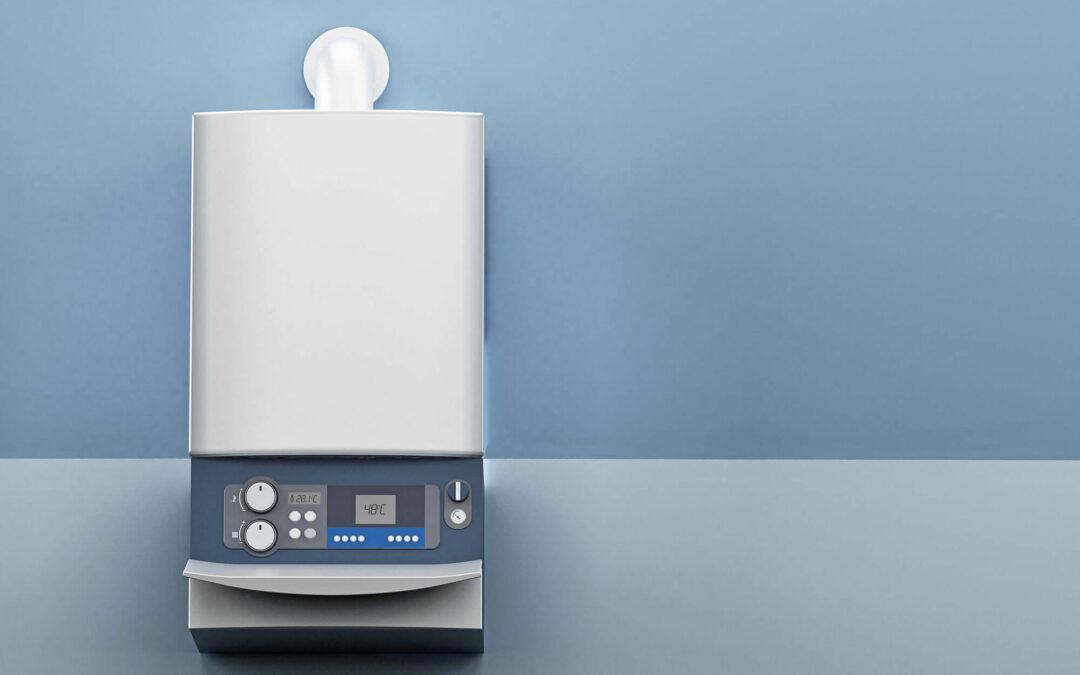
Unfortunately, your domestic boiler can certainly be the cause of a house leak, so you should be aware of what to look for.
Signs Your Boiler Has a Leak
In some cases, you’ll notice a leak immediately, because there’s a puddle on the floor beneath it. However in most cases that will not be what occurs and you should know what to watch for. Boiler leaks occur all too often and if left unnoticed, they’ll end up causing a health hazard in your home.
You may have a leak if you notice:
Drips/damp spots below the boiler: This can be a sign that some liquid is making its way out of the boiler. Rarely is this caused by just condensation.
Low boiler pressure: The pressure for your boiler should be around 1.5, but anything between one and two is fine. Anything over this and the pressure relief valve leaks to release the pressure. Anything below and you probably have a leak. If your combi boiler losing pressure is an issue, it’s time to hunt down where the water is going. This is not from a leak in the boiler itself, but a leak from the central heating pipes under the floor causing the pressure to drop.
Corroded pipes: You can visually examine your boiler and the pipes leading in and out of it. If they look like they are corroded, are damp or have visible water on them, or have areas that look pitted, you need to call in the experts.
Water under the radiator: If your radiator valves are leaking, you’ll probably notice some water that is dribbling down the outside of the radiator. Sometimes, this will run under the floorboards, so it’s not as easy to notice, but you should see some dampness.
Mould or mildew around pipes: Mould and mildew can grow rapidly in a dark, damp space. This can cause breathing issues and you may actually notice the health issues first. However, if you notice mould growing on a wall, it may indicate the pipe behind it is leaking.
Boilers often leak due to failed seals, or the boiler may have a crack in the tank. High water pressure may force water out of a failed joint or seal. All of these require a professional to fix.
What to Do If You Suspect a Leak
As soon as you realise that you have a leak somewhere in your home, you should turn off the water supply to ensure no more water is leaked out. Turn off the heat and clean up the water that you find. This will help prevent further water damage and should be easier to clean than mould. Once you have stopped the water from pouring out, you can call a boiler engineer. It’s rarely a good idea to try and fix a leak yourself. You should not use the boiler until the leak is fixed and everything has been checked out.
If possible, you need to find the leak. Sometimes, you’ll find it almost immediately and can call the appropriate expert for the repairs. However, you’ll find that it’s necessary to have a leak expert search for leaks in most cases. They have the expertise and the technology to find even hidden leaks and can indicate where the repairs must be made.
While you may have the ability to see what is going on, leaks are often hidden. Unless you are able to open everything up and look, you won’t be able to find the leak by visual inspection only.
What you shouldn't do is introduce more water into the system to increase the pressure. This will just let more water escape through the central heating pipe that is leaking. It is a common misconception to continue topping up the water, but this is not something that should be done.
Central heating leaks can be identified and pinpointed using pressure tests on the pipes, followed by a gastro survey. Leak Tracers Direct use state-of-the-art technology to locate leaks in this case, so that you don’t flood your system with water trying to increase the pressure.
How to Ensure Your Boiler is in Good Condition
If you want to prevent a water leak in your house, you should be careful to look after your boiler. Taking care to maintain it will help you prevent future issues.
Annual maintenance is a must. It’s generally best to have your boiler checked at some point in the early autumn, before it’s time to start using it. The technician will detect any problems while cleaning the boiler and ensuring everything is working properly.
If you notice that your radiators are not as efficient as usual, it may be time to bleed them. You can also do a power flush, which will remove sludge and gunk that has settled in the pipes and radiators. A flush will also help reduce the risk of corrosion so you can ensure it won’t rust through.
Some people recommend additives that you can pour into the boiler tank and it will seal any leaks as it passes through the system. While the idea is a good one, the reality is that these rarely do a good job of sealing the leaks. If they do, then it will still be an issue to deal with in the near future. It’s best to just replace the leaking part and fix the problem for good.
Whether it’s a combi boiler losing pressure or radiators struggling to perform, an underlying heating system leak can quietly cause ongoing issues if not addressed early.
If you’re not sure where a leak is, but suspect there is one somewhere, you can call in Leak Tracers Direct. With our special technology, we can pinpoint where leaks are and help you arrange a fix. From boilers and leaking pipes to drainage and other common plumbing issues, we can help you find and fix that elusive leak. Contact us today.