
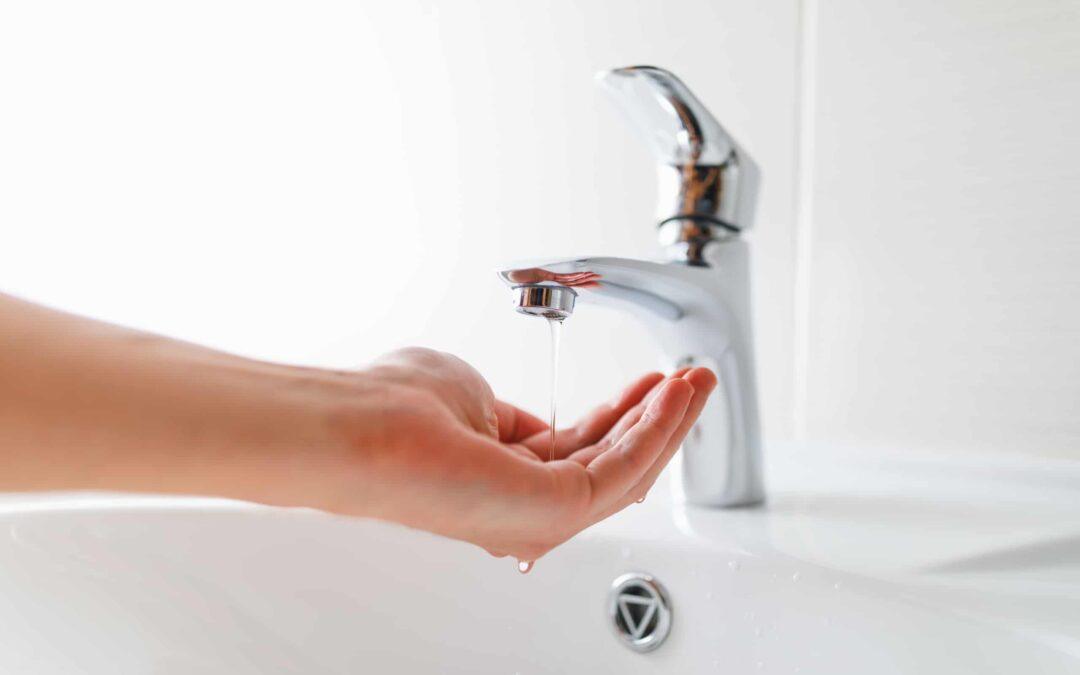
While it may seem like an insignificant issue, low water pressure can make day-to-day chores and other household activities downright painful. Washing your dishes, your clothes, or yourself will take twice as long as necessary, and you can forget about washing your car or watering your lawn altogether. More importantly, if this problem is not dealt with in a timely manner it can result in significant water damage to your property.
To help you identify low water pressure in your home, Leak Tracers Direct are here to outline some of the most common causes of this widespread plumbing problem.
There’s a problem with the public water system
Just because you are experiencing a water-related problem doesn’t necessarily mean the fault lies within your water system. It’s possible that the issue may be with the public water system instead, which will have a knock-on effect on all properties supplied by the local water supply.
Just like residential plumbing systems, public water systems are also susceptible to clogs, corrosion, leaks and other problems that can affect water pressure. If your experience a sudden drop in water pressure, it might be worth contacting your water supplier to see if they are aware of any issues on their end that might be causing your problem.
Your pipes are corroded
As with anything, pipes don’t last forever - with age comes wear and tear or damage such as corrosion. Some common indicators of corrosion are rust-coloured water or water with visible metallic flakes. However, it’s worth having them inspected by a professional plumber who knows what to look out for, as the signs are not always obvious.
Your pipes are clogged
The build-up of scale inside pipework and other plumbing components can reduce water pressure significantly, as it creates blockages and clogs up the water’s path through your water system. You can remove limescale from your plumbing system using drain cleaning products or even vinegar. Treating your water to make it softer can also help prevent the build-up of scale.
Various household substances can also contribute to blockages and clogs, for example, grease and fat from cooking, hair, sanitary products, or leaves and trees. By keeping these items away from your drains, you can help to prevent unnecessary blockages.
You have a leak
Leaks can wreak all sorts of havoc on your property’s water supply. If you have a leak anywhere in your water system, you’re likely to experience a significant drop in water pressure - particularly if it’s a large leak or there are multiple leaks.
To see if you have a leak in your plumbing system, take a note of the water meter reading, turn off all taps and don’t use any water for a while, and then check the meter reading again. If the reading has gone up, it’s possible that you have a leak.
Alternatively, you could hire a leak detection company. At Leak Tracers Direct, we can assist in finding leaks in all kinds of properties and on all kinds of systems. We’ll connect you with specialist leak detection service providers who use non-destructive, cutting-edge technology to trace your leak. For more information about our services, get in touch with us today. We are available 24/7 to receive your call and will be happy to help.